WELCOME TO JAES INTERNATIONAL TRADING


The Silk Road to Africa Assessing the Impact of Belt and Road Initiative BRI

The Belt and Road Initiative (BRI) represents one of the most ambitious global infrastructure and economic development projects in modern history. This article examines its specific impact on African countries, analyzing how investments in transport, energy, and trade corridors are reshaping regional economies and international relations. The focus remains on tangible outcomes and strategic implications for Africa’s future.
Historical Context and BRI Objectives
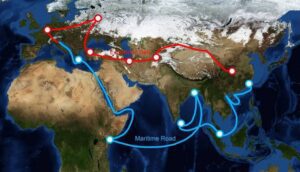
The Belt and Road Initiative (BRI), originally known as One Belt One Road, was first proposed by Chinese President Xi Jinping in 2013. It draws inspiration from the ancient Silk Road, a network of trade routes that for centuries connected China to Central Asia, the Middle East, and Europe, facilitating the exchange of goods, ideas, and culture. The modern initiative is far more ambitious in scope, envisioning a vast web of infrastructure projects, trade corridors, and economic cooperation agreements spanning more than 60 countries across Asia, Europe, and Africa.
Major Infrastructure Projects in Africa
The stated goals of the BRI are multifaceted, promoting a vision of shared prosperity and connectivity. Officially, China emphasizes principles of mutual benefit, win-win cooperation, and common development. Key objectives include enhancing regional connectivity, boosting trade and investment flows, promoting financial integration, and strengthening people-to-people bonds. By building ports, railways, highways, and energy pipelines, the initiative aims to reduce trade costs, stimulate economic growth in participating nations, and create new markets for Chinese goods and services. It is also framed as a means to export China’s industrial overcapacity in sectors like steel and cement and to internationalize the use of the Chinese currency, the renminbi.
Economic Impacts on African Economies
Africa became a focal point for the BRI due to a combination of historical ties, immense economic potential, and strategic necessity. China’s engagement with Africa is not new; it dates back centuries to the maritime expeditions of Admiral Zheng He in the 15th century and was strengthened during the mid-20th century through support for African independence movements and infrastructure projects like the TAZARA Railway in the 1970s. In recent decades, this relationship has deepened dramatically, driven by China’s insatiable demand for natural resources—such as oil, minerals, and agricultural products—which Africa possesses in abundance.
Geopolitical and Strategic Implications
The BRI seeks to expand these historical trade relations by addressing a critical constraint on African economic growth: inadequate infrastructure. Many African nations suffer from deficits in transportation, energy, and telecommunications, which hinder intra-regional trade and global integration. Through the BRI, China is financing and constructing major projects across the continent, including ports in Kenya and Djibouti, railways in Ethiopia and Nigeria, and special economic zones in Zambia and Egypt. These investments are designed to facilitate the extraction and export of resources, improve logistics and supply chains, and create industrial capacity, thereby locking African economies more firmly into China’s orbit of influence while fostering local development.
Future Prospects and Recommendations
Ultimately, the Belt and Road Initiative in Africa represents a strategic fusion of economic ambition and geopolitical foresight. By building the infrastructure that enables trade, China is not only securing access to vital resources but also cultivating long-term partnerships, expanding its soft power, and establishing itself as a central player in Africa’s future development narrative.
Key findings highlight both opportunities and challenges for Africa under the BRI.
- Economic growth through infrastructure development
- Increased debt burdens for some nations
- Shifts in global trade dynamics
- Long-term geopolitical considerations
- Need for sustainable and equitable partnerships
The BRI’s legacy in Africa will significantly influence the continent’s development trajectory.