WELCOME TO JAES INTERNATIONAL TRADING


The Green Revolution Opportunities in China’s Eco-Tech Sector

The global push for sustainability has positioned China as a key player in the eco-technology sector. With ambitious government policies and growing market demand, the country is rapidly advancing in green innovations. This article examines the significant opportunities emerging within China’s eco-tech industry, highlighting key areas for development and investment.
Government Policies Driving Eco-Tech Growth
The Chinese government has established a comprehensive and multi-faceted policy framework to accelerate the development and deployment of eco-technology. This strategic push is driven by national priorities such as energy security, environmental protection, and the desire to lead in future global industries. The key policies and initiatives can be broadly categorized into overarching national strategies, regulatory mandates, and direct financial incentives.
Key Sectors in China’s Eco-Tech Industry
National Strategies and Blueprints
Investment Opportunities and Market Trends
The highest-level direction comes from national strategic plans that set ambitious targets and chart the course for the entire economy.
- Dual Carbon Goals: The commitment to peak carbon emissions before 2030 and achieve carbon neutrality before 2060 is the central pillar of China’s green transition. This overarching target creates a powerful, long-term signal for all sectors, forcing a rapid shift away from fossil fuels and creating massive demand for clean energy technologies, carbon capture, and energy efficiency solutions.
- 14th Five-Year Plan (2021-2025): This national economic and social development blueprint explicitly prioritizes green and low-carbon industries. It sets specific targets for the share of non-fossil fuels in energy consumption, energy intensity reduction, and the development of strategic emerging industries, including new energy vehicles, renewable energy, and environmental protection equipment.
- Made in China 2025: While broader in scope, this industrial policy identifies green manufacturing and high-tech sectors as key priorities. It aims to upgrade traditional industries with eco-friendly technologies and promote the domestic production of core components for renewable energy systems, such as advanced batteries and solar panels.
Regulatory Frameworks and Market Mechanisms
The government employs a strong regulatory hand to create markets and enforce standards, compelling businesses to adopt cleaner technologies.
- Emissions Trading System (ETS): Launched in 2021, China’s national ETS is the world’s largest carbon market. It initially covers the power sector, putting a price on carbon emissions and creating a financial incentive for utilities to invest in efficiency and transition to cleaner energy sources. The system is expected to expand to other heavy industries.
- Strict Environmental Protection Law: The revised Environmental Protection Law, often called the “strictest in history,” imposes heavier penalties for pollution and holds corporate leaders directly accountable. This regulatory pressure forces companies to invest in pollution control and waste management technologies to remain compliant.
- Technology Standards and Green Procurement: The government sets increasingly stringent energy efficiency standards for appliances, vehicles, and buildings. Furthermore, green procurement policies mandate that a significant portion of government purchases meet high environmental standards, creating a guaranteed market for eco-technology products.
Subsidies and Financial Incentives
Direct financial support has been instrumental in scaling up key eco-technology sectors, particularly in their nascent stages.
- Feed-in Tariffs (FiTs) and Subsidies for Renewables: For over a decade, the government provided generous FiTs for solar and wind power projects, which catalyzed explosive growth and allowed Chinese manufacturers to achieve massive economies of scale. While direct subsidies are being phased out as costs fall, support continues through mechanisms like guaranteed grid access and green power certificates.
- New Energy Vehicle (NEV) Subsidies: A extensive package of purchase subsidies, tax exemptions, and non-monetary incentives (like easier license plate allocation) has been critical in making China the world’s largest NEV market. This policy has nurtured domestic champions like BYD and created a robust supply chain for batteries and components.
- Green Finance System: China is a global leader in developing a green financial system. This includes guidelines for green bonds, which channel capital into environmentally beneficial projects, and the establishment of green banks. The People’s Bank of China has also incorporated climate risk into its financial stability assessments, encouraging commercial banks to favor lending to green industries.
In summary, China’s approach to fostering the eco-technology sector is a top-down, state-led model that combines visionary long-term goals with stringent regulations and substantial financial backing. This powerful policy mix has successfully positioned China as a dominant player in global markets for solar panels, wind turbines, and electric vehicles, while simultaneously addressing pressing domestic environmental challenges.
Technological Innovations and Breakthroughs
The rapid expansion of China’s eco-tech industry is a cornerstone of its national strategy for sustainable development. This sector is broadly categorized into several key areas, each with a distinct current state and significant future potential.
Challenges and Future Outlook
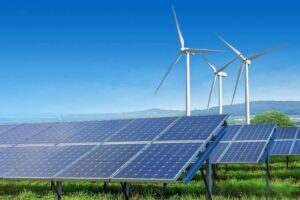
Renewable Energy stands as the most mature and globally significant sector. China is the world’s undisputed leader in the manufacturing and deployment of solar panels and wind turbines. The current state is characterized by massive state-backed investments, resulting in the world’s largest installed capacity for both solar and wind power. The potential lies in overcoming grid integration challenges for intermittent renewables, advancing energy storage solutions like large-scale batteries, and further driving down costs to achieve true grid parity.
China’s eco-tech sector presents a dynamic and rapidly evolving landscape filled with opportunities. Strategic investments and technological advancements are driving sustainable growth, making it a critical area for global attention. The future of green technology in China holds promise for both economic and environmental benefits.