WELCOME TO JAES INTERNATIONAL TRADING


China–Africa Trade Ties Unlocking Global Opportunities

The trade relationship between China and Africa has evolved into a significant force in the global economy. This partnership, built on mutual economic interests, has opened doors to new opportunities not only for the involved regions but for the world at large. As China seeks resources and markets, Africa gains investment and infrastructure, creating a dynamic that influences global trade patterns and economic strategies.
Historical Context of China-Africa Trade
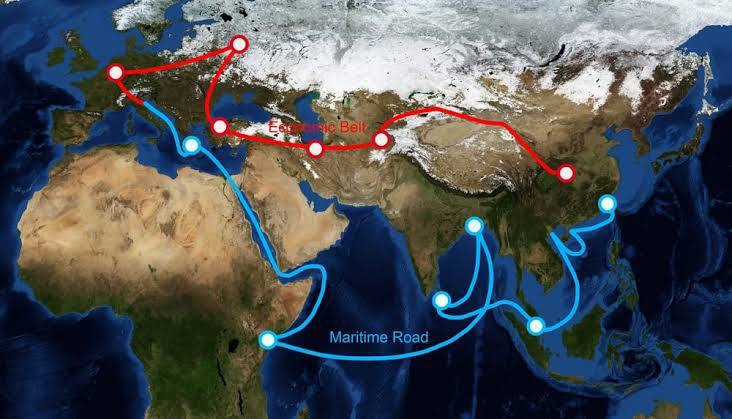
The origins of trade relations between China and African nations can be traced back centuries, with early interactions facilitated by maritime routes such as the ancient Silk Road. However, modern economic engagement began to take shape in the mid-20th century, following the establishment of the People’s Republic of China. In the 1950s and 1960s, China’s outreach to Africa was largely ideological, framed within the context of solidarity among developing nations and anti-colonial struggles. Trade during this period was minimal, often consisting of symbolic exchanges or aid-based agreements rather than robust commercial activity.
Key Sectors Driving Economic Exchange
A significant shift occurred in the late 1970s and 1980s, as China embarked on economic reforms under Deng Xiaoping. This period marked the beginning of a more pragmatic approach, with trade volumes gradually increasing. Chinese state-owned enterprises started exploring opportunities in African markets, exporting light manufactured goods in exchange for raw materials. By the 1990s, bilateral trade had expanded, though it remained relatively modest compared to Africa’s trade with Western nations.
Benefits for African Economies
The turn of the millennium heralded a new era in Sino-African economic relations. The Forum on China-Africa Cooperation (FOCAC), established in 2000, became a cornerstone for structured dialogue and partnership. This platform facilitated a series of agreements that dramatically boosted trade, investment, and infrastructure development. China’s growing demand for energy and minerals to fuel its own economic boom drove a surge in imports from resource-rich African countries such as Angola, Nigeria, and Zambia. In return, Africa became a major market for Chinese products, ranging from textiles and electronics to machinery.
Strategic Interests of China
Another milestone was China’s accession to the World Trade Organization in 2001, which further integrated its economy into global networks and amplified its engagement with Africa. Chinese companies, both state-owned and private, increasingly invested in African infrastructure—building roads, railways, ports, and telecommunications networks—often financed through concessional loans or aid packages. This “infrastructure-for-resources” model became a defining feature of the relationship.
Global Implications and Future Prospects
In recent years, the nature of Sino-African trade has continued to evolve. While natural resources remain important, there is a growing emphasis on diversification. Chinese investment has expanded into sectors like agriculture, manufacturing, and digital technology. Initiatives such as the Belt and Road Initiative (BRI), launched in 2013, have further deepened economic ties by promoting connectivity and cooperation across continents. At the same time, African nations have become more assertive in negotiating terms that favor local content and value addition, signaling a maturing partnership.
The China-Africa trade relationship stands as a testament to the power of international cooperation. It has demonstrated how strategic partnerships can drive economic growth, foster development, and create ripple effects across the globe. As this alliance continues to mature, it will undoubtedly play a pivotal role in shaping the future of global trade and economic opportunities.